
Future Skills & AI: Is Your Workforce Ready for the Next Five Years?
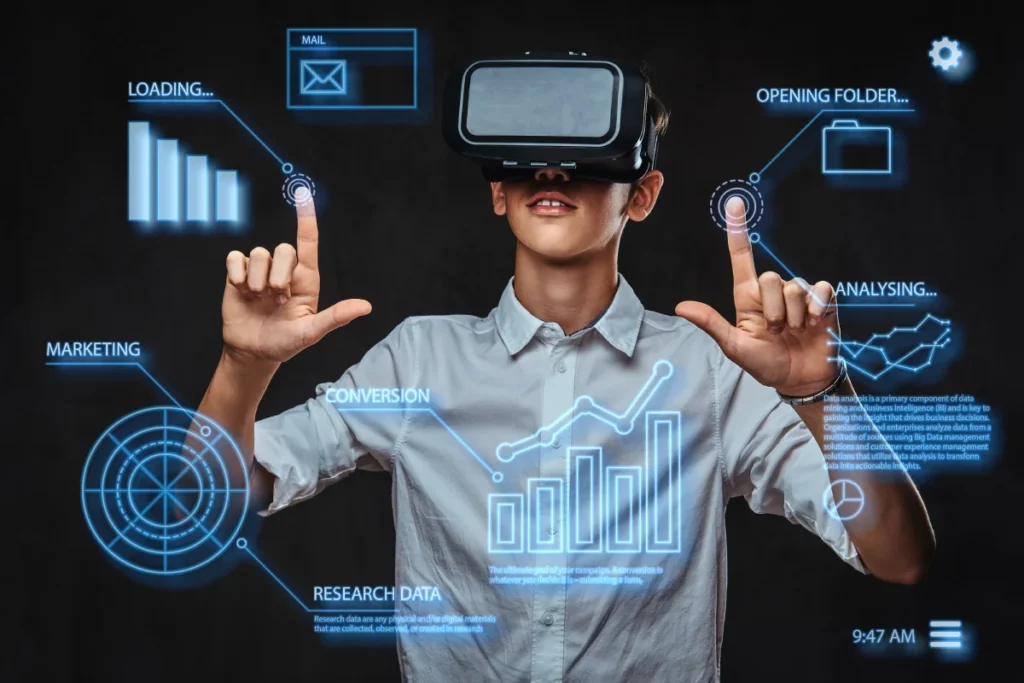
Artificial Intelligence is no longer a futuristic concept discussed only in technology circles. It has entered boardrooms, workplaces and everyday business operations. From customer service and marketing to finance, HR and supply chain management,
AI is transforming how organizations work. The question for business leaders today is no longer whether AI will impact their industry—it is whether their workforce is prepared for it.
One of the biggest misconceptions about AI is that it is purely a technology challenge. In reality, it is a people challenge. Organizations may invest in the latest tools and platforms, but the true value of AI can only be realized when employees understand how to work alongside these technologies. The future belongs not just to companies with advanced technology, but to companies with skilled people who know how to leverage it effectively.
According to the World Economic Forum, nearly 44% of workers’ core skills are expected to change within the next few years due to technological advancements and evolving business needs. This statistic highlights a critical reality: the shelf life of skills is shrinking. What employees learned five years ago may not be enough to succeed five years from now.
While technical skills such as AI literacy, data analysis, automation and digital fluency are becoming increasingly important, human skills are gaining equal significance. Critical thinking, problem-solving, creativity, adaptability, collaboration and leadership remain difficult to automate. Organizations that focus only on technology training risk overlooking the very capabilities that help employees make intelligent decisions and drive innovation.
Forward-thinking companies are therefore adopting a broader view of upskilling. Instead of treating learning as an occasional activity, they are building continuous learning cultures. Employees are encouraged to learn new tools, understand emerging technologies, strengthen domain expertise and develop future-ready competencies. The result is a workforce that is more agile, confident and capable of responding to change.
For HR leaders and business heads, the challenge is not simply identifying future skills—it is creating learning experiences that are relevant, practical and aligned with business goals. Generic training programs often fail to deliver meaningful outcomes. Employees need learning interventions that connect directly to their roles, responsibilities and organizational objectives.
The TECH SANG Perspective
At TECH SANG, we believe the future of work is not about humans versus AI; it is about humans empowered by AI. Organizations that invest in continuous learning today will be the ones leading their industries tomorrow. As technology continues to evolve, the most valuable competitive advantage will not be the software a company owns, but the skills, knowledge and adaptability of the people who use it.